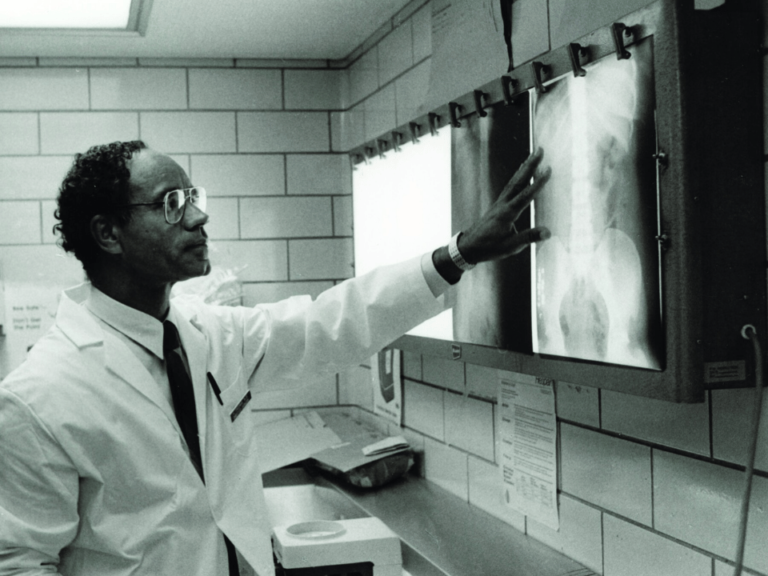
Thomas D. Brown was named chief medical officer at Syapse.
Brown joins Syapse from the Swedish Cancer Institute at Providence St. Joseph Health, where he served as executive director of SCI and led the establishment of the SCI Personalized Medicine Program. Brown also served in leadership roles across PSJH, including co-chair of the PSJH Cancer Leadership Council and co-chair of the PSJH Genomics Initiative.
Brown’s clinical and research efforts have been focused on gastrointestinal malignancies, broad developmental therapeutics in oncology, specifically phase I and II clinical trials, and health care policy and global medicine.
Prior to SCI, Brown served as professor of medicine and chief operating officer at the University of Arizona Cancer Center. He also spent a decade at MD Anderson Cancer Center, where he was a professor of medicine, and served as both deputy head and head ad interim of the Division of Cancer Medicine, as well as vice president for international programs.
While on the faculty at Duke University, Brown was one of the founding members of the multi-disciplinary GI cancer program, and of a southeast regional clinical trials consortium. Brown began his career as a faculty member at the University of Texas Health Science Center at San Antonio, working as a member of its phase I program, and serving as an executive officer within the Southwest Oncology Group where he was responsible for coordination of SWOG’s phase II portfolio.